
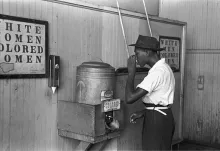
In the midst of racial segregation in the U.S.A and the ‘Jim Crow Laws’, Gordon Allport (1954) proposed one of the most important social psychological events of the 20th century, suggesting that contact between members of different groups (under certain conditions) can work to reduce prejudice and intergroup conflict. Indeed, the idea that contact between members of different groups can help to reduce prejudice and improve social relations is one that is enshrined in policy-making all over the globe. UNESCO, for example, asserts that contact between members of different groups is key to...

To decrease inequality between men and women in the workplace, multiple European countries have introduced legislated quota regulations in favor of women. Since 2016, a gender quota has been entrenched in German law followed by a significant rise in the representation of women in target positions. But do quota regulations have additional effects on everyday work life? This article presents empirical research on positive and negative side effects of gender quota regulations. We discuss for instance effects on women’s interest in leadership positions, the performance evaluation of “quota women...

In this blog post, I describe new evidence that thinking about political ideology on a single liberal/left to conservative/right spectrum masks important nuances in the origins of political ideologies and in the way that people apply those ideologies to important judgments, including those of other people (i.e., prejudice).