

Conspiracy theories about climate change are common. People who believe in them show less climate-friendly attitudes and behaviors. But there are ways to reduce the impact of conspiracy theories in the context of climate action.
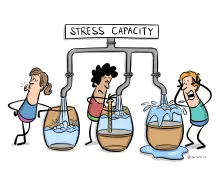
The climate crisis leads to significant changes in nature and ultimately in our society challenging all of us. Children and adolescents are particularly vulnerable in their mental processing, as well as physically, due to their socially dependent position. How can we support them in dealing with this major challenge in their lives? We present current scientific findings related to the lives of young people. How can we support children in coping with climate stress? A team of psychologists explains.
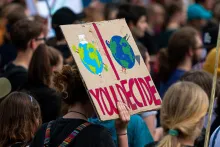
Incidents like the one involving Ugandan activist Vanessa Nakate, who was cropped out of a group photo with other climate activists, are emblematic of the assumption that climate protection is primarily a concern of White people. In this article, we explore potential (social) psychological explanations for the lack of (perceived) diversity in climate activism, as well as approaches to increase diversity.