

In recent years, sports that have traditionally been practiced as recreational and non-competitive have been added in the official Olympic program. For example, climbing is on the Olympic program for Paris 2024 and Los Angeles 2028. This article provides an up-to-date overview of the relevant psychological aspects of climbing that are important for performance. We also discuss how sport psychology can contribute to current and future challenges in Olympic climbing.

Discover how sports in prison foster empathy, health, and social reintegration. By practicing with the Olympic Spirit, inmates find a means to reconnect and rebuild themselves. A holistic approach that transcends barriers and provides a path to rehabilitation.
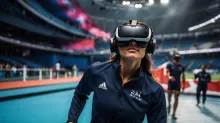
The advent of virtual reality technology provides Olympic athletes and coaches with manifold new possibilities for training and competition preparation. Although promising and increasingly backed up by scientific research, it is important to be aware of the limitations and potential pitfalls of applying this new technology to the sports domain.

The pursuit of the Olympic dream is overshadowed by the pervasive issue of interpersonal violence in sport. Despite the challenges, a growing body of research and initiatives is dedicated to reshaping the culture of high-performance sports to prioritise athletes’ safety, integrity and health. Learn more about Olympics’ dark side: Abuse and neglect in elite sports.