  • INT
  • DE
  • FR
  • IT
  • NL

User account menu

  • Log in
Home
  • The Magazine
    • For Authors
    • Magazine Staff
  • Blog
    • For Authors
  • Book Reviews
  • The Foundation
    • Credits
  • Donate

Psychology for You!

  • Magazine Issue
    11/2025

    Understanding Anxiety, Encouraging Courage: What Families Should Know About Social Anxiety

    • written by
    • Nadine Vietmeier,
    • Jasper Froehlich,
    • Silas Rooß

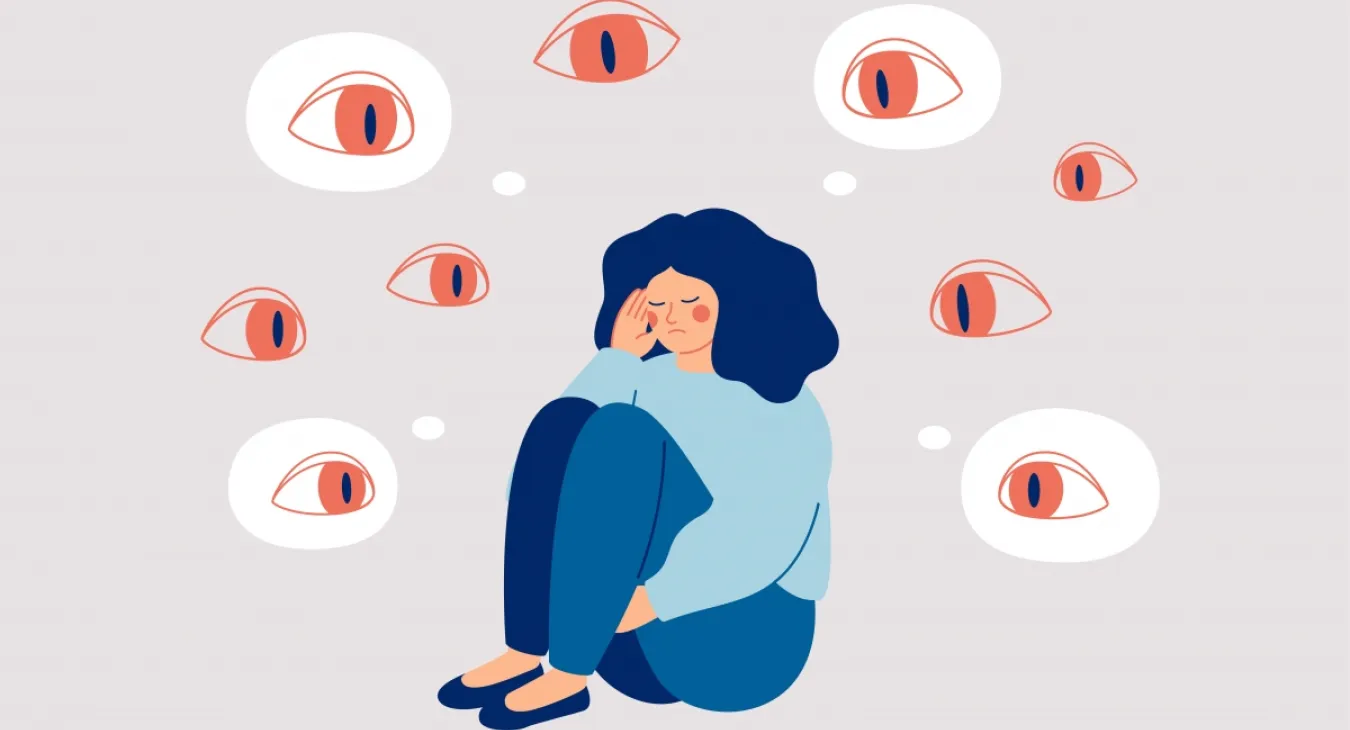
    Social anxiety is among the most common psychological challenges in childhood and adolescence—and it also presents major challenges for parents. How can they support their children without overwhelming them? What role does parental behavior play in the development and maintenance of anxiety? This article introduces the SPACE therapy program—a research-based parent training that shows how mothers and fathers can empathetically support their children in gradually overcoming social anxiety.

    read more
    • Log in to post comments

  • Magazine Issue
    11/2025

    Mastering Emotions: How Emotion Regulation Can Boost Your Athletic Performance

    • written by
    • Mira Fauth-Bühler

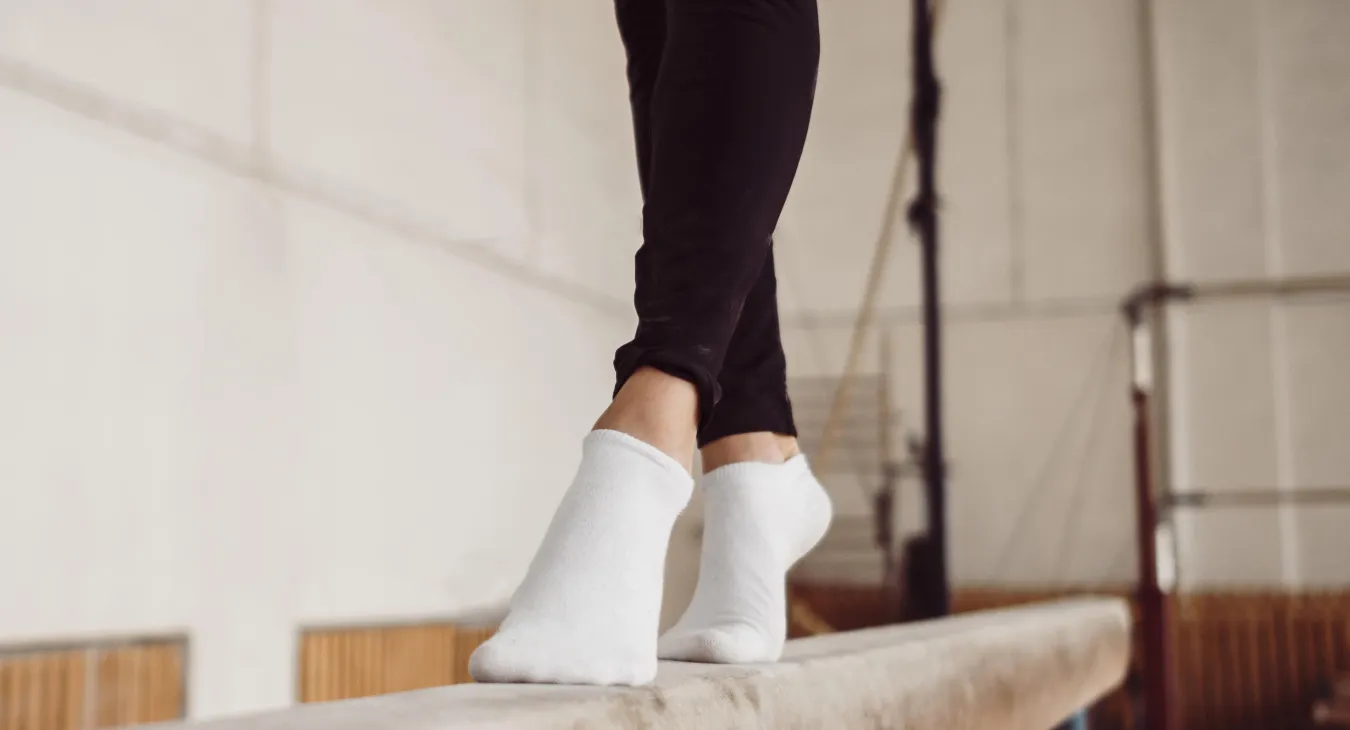
    Imagine standing on a balance beam. Your heart races, your palms sweat—your body is primed for peak performance. Now comes the crucial decision: how will you steer your emotions? Will you let the tension paralyze you, or harness it as your driving force? Emotion regulation doesn’t mean avoiding fear; it means transforming it into focus and confidence. In this article, you’ll discover how targeted emotion regulation techniques can help you unlock your full potential and perform at your best, even under pressure.

    read more
    • Log in to post comments

  • Magazine Issue
    11/2025

    Plant-based, insect-based, or cultivated meat alternatives—Why do we (not) consume them?

    • written by
    • Lena Szczepanski,
    • Milan Büscher,
    • Lene Strootmann,
    • Florian Fiebelkorn

    Meat alternatives have become a fixture on supermarket shelves. While people have been consuming plant-based alternatives for a long time, the consumption of insects and, in the future, cultivated meat faces major challenges. What factors drive people to consume meat alternatives? And why do many people still find it so difficult to replace meat in their diet? Personal values, product perceptions, and social influence play decisive roles in our food choices, especially when it comes to replacing familiar products with alternatives. In this article, we thus examine the psychological factors that promote or hinder the consumption of meat alternatives, as well as the barriers that still need to be overcome.

    read more
    • Log in to post comments

  • Magazine Issue
    11/2025

    Self-Care in the Digital Age: How We Can Handle Social Media in a Healthy Way

    • written by
    • Marvin Holtwiesche,
    • Mira Fauth-Bühler

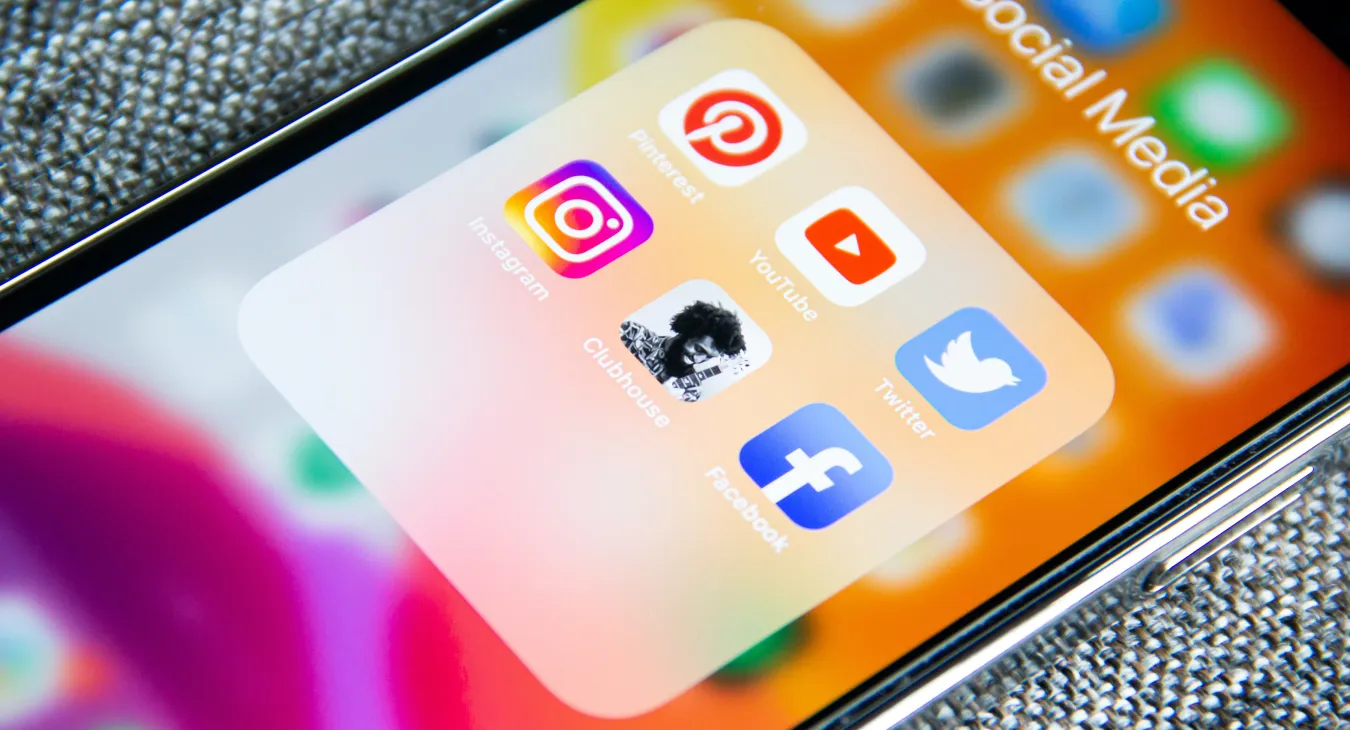
    Do you find it difficult to reduce the time you spend on social media in the long term? Are you interested in learning why you often use social media excessively and what negative effects this can have on you? Here, you'll not only find answers but also practical strategies to protect your mental health, helping you achieve a balanced approach to social media use.

    read more
    • Log in to post comments

  • Magazine Issue 11/2025

    Understanding Anxiety, Encouraging Courage: What Families Should Know About Social Anxiety

    written by: Nadine Vietmeier, Jasper Froehlich, Silas Rooß
  • Magazine Issue 11/2025

    Mastering Emotions: How Emotion Regulation Can Boost Your Athletic Performance

    written by: Mira Fauth-Bühler
  • Magazine Issue 11/2025

    Plant-based, insect-based, or cultivated meat alternatives—Why do we (not) consume them?

    written by: Lena Szczepanski, Milan Büscher, Lene Strootmann, Florian Fiebelkorn
  • Magazine Issue 11/2025

    Self-Care in the Digital Age: How We Can Handle Social Media in a Healthy Way

    written by: Marvin Holtwiesche, Mira Fauth-Bühler
  • Magazine Issue 05/2021

    How Much Does the Menstrual Cycle Affect Emotional Life?

    written by: Maria Gröndal
    Around 1.6 billion women of fertile age currently have an ongoing menstrual cycle, and a larger group of women will experience or have already experienced this. Everyone probably knows a... more
  • Magazine Issue 05/2021

    From Derogation to Reclamation: How Does Language Change?

    written by: Samuel Sturaro, Fabio Fasoli
    Derogatory labels are offensive words that can be reclaimed by a stigmatized group; however, the process of reclaiming can carry risks.
    In 2020, Black Lives Matter (BLM) protests took place... more
  • Magazine Issue 02/2021

    The Sex Tips You Won’t See In Magazines: Science-backed ways to stay sexually satisfied in long-term relationships

    written by: Jessica Maxwell
    Women should insert jade eggs into their vaginas to increase the chance of orgasm (1) . Don’t believe in sexual soulmates (2) . For a happier life, have sex once... more
  • Magazine Issue 02/2021

    Nuances of Sexual Consent: Who? What? When? Where? Why? How?

    written by: Malachi Willis
    People keep talking about sexual consent, but what is it? Let’s dive into some recent research and discover that there is more to sexual consent than you might think. Sexual... more
  • Magazine Issue 02/2021

    When I Get That Boring Feeling: Sex as Escape from Boredom

    written by: Andrew Moynihan
    Everyone gets bored from time to time. What do you do when you have these everyday feelings of boredom? In some cases, psychologists found that during such bouts, people sometimes... more
  • Magazine Issue 02/2021

    A Primer on Porn and Relationships

    written by: Dan Miller, Gert Martin Hald
    The ease of access to pornography via the Internet has sparked a renewed interest in the effects of porn on consumers, with much of the public debate on the topic... more
  • Load More Issues

In-Mind Blog

  • 01.07.2015 | Culture

    The cross-cultural psychology of Internet privacy concern

    written by: Robert Thomson
    In a recent cross-cultural study of Facebook users in Japan and the US, I show that Japanese SNS users are more concerned about Internet privacy than American SNS users. And it turns out that because Americans have higher general trust, they less likely to believe that a stranger would take advantage of their private information, should it be leaked online. more
  • 22.05.2015 | Gender

    Gender equity in science: Achievement unlocked?

    written by: Joanna Korman, Stephanie Goodwin
    Is it time to throw out our gender-equity-in-STEM training materials? Williams and Ceci (2015) reported that STEM faculty members have a preference for hiring women (not men), reigniting debates over equity in academic hiring. In our blog post, we add to a growing conversation among the scientific community that questions Williams & Ceci’s grand claim of a post-sexist era in academic hiring. more
  • 27.02.2015 | Gender

    Girls will be girls, boys will be bossy

    written by: Cathleen Clerkin
    The word bossy has been heavily discussed recently, thanks, at least in part, to the Ban Bossy campaign. To date, this debate has centered on why women get called bossy. But what about men? In this blog post, I will share some new research on the word bossy, and what happens when both men and women act bossy, specifically within a workplace context. more
  • 23.02.2015 | Culture

    Einstein beats Mother Theresa as the hero of the world

    written by: Marieke van Egmond
    Heroes and villains don’t only exist in comic books. The real world is full of ‘good’ and ‘bad’ guys (and girls). Being an exceptional scientist or humanitarian will most likely land you on the heroic side of history. Obviously, dictators who have oppressed millions of people are more likely to be seen as the villains of world history. For a number of influential figures, our perception of their achievements however strongly depends on how our particular cultural region was affected. For example, even though the abolition of slavery by Abraham Lincoln makes him a historical hero in American eyes, people from other countries might value Mandela’s struggle against apartheid, or even Princess Diana much more. And what about more controversial figures such as Che Guevara and Napoleon? In this blog, I will review a brand new study in which it was tested who the heroes and villains of our shared, global history are. more
  • 12.02.2015 | Happiness & Well-being

    Time to unwind: When autonomy and motivation add weight to recovery

    written by: Alina Feinholdt
    Extended working hours and off-job duties leave increasingly less time for a person to recover. Thus, the more important it becomes for a person to seek activities that really help to unwind from daily hassles. But is there anything such as the right or even wrong recovery activity? And what role does motivation play in this regard? In this blog post I will elaborate on these questions by reviewing recent research. more
  • 17.01.2015 | Current Events, Violence & Aggression

    Empowering cartoonists, deterring killers, protecting bystanders: Can psychology contribute?

    written by: Winnifred Louis
    We respond on many levels, like our readers, to the 2015 attack on Charlie Hebdo staff in France. The human tragedy makes us sad and angry. The moral atrocity screams for outraged condemnation. The sense of threat calls out community determination, courage, and sacrifice. The counter-mobilisation of millions, and of world leaders, evokes pride and grim satisfaction. more
  • Load more blog posts

Book Reviews

The meaning: poetic and spiritual reflections

by: Richard Skaff

Free will and consciousness: how might they work?

by: Wim Pouw

Handbook of cxperimental existential psychology

by: Wim Pouw

Confessions of a sociopath: A life spent hiding in plain sight

by: Irena Domachowska

Skill sheets. An integrated approach to research, study and management

by: Irena Domachowska

Most Read

  • Magazine Issue 06/2024

    Sleep before, during and after the Olympic Games: an important determinant of sports performance

    written by: Kerstin Hoedlmoser, Patricia Frytz, Daniel Erlacher, Michele Lastella, Jacopo Vitale, Mathieu Nedelec
  • Magazine Issue 12/2019

    Sex differences in the perception of sexual arousal

    written by: Andreas Baranowski, Rudolf Stark
  • Magazine Issue 11/2015

    Can you nonbelieve it: What happens when you do not believe in your memories?

    written by: Jianqin Wang, Henry Otgaar, Mark Howe, Tom Smeets, Harald Merckelbach
  • Magazine Issue 12/2006

    Engagement: A Source of Value, Quality of Life, or Both?

    written by: Janina Marguc
  • Magazine Issue 09/2008

    Reconsidering Race in the Genetic Era

    written by: Chris Buchholz

The Inquisitive Mind Magazine is supported by:

  • DGPs
  • C-SEB

Menu

  • The Magazine
  • Blog
  • Book Reviews
  • The Foundation
  • Donate
  • facebook
  • twitter
  • instagram
  • print

About Us

In-Mind is a voluntary science communication project. We enable scientifically working psychologists to present their research topics in a scientifically sound, understandable and entertaining way for an interested audience: Psychology by scientists for everyone....more

Footer menu

  • Contact
Clear keys input element