



In this blog post, I discuss how people respond to information about their implicit racial bias—automatic attitudes and beliefs that favor one ethnic group over another. Although people can be defensive, emerging research suggests there are benefits to accepting implicit racial bias and being aware of this subtle prejudice.

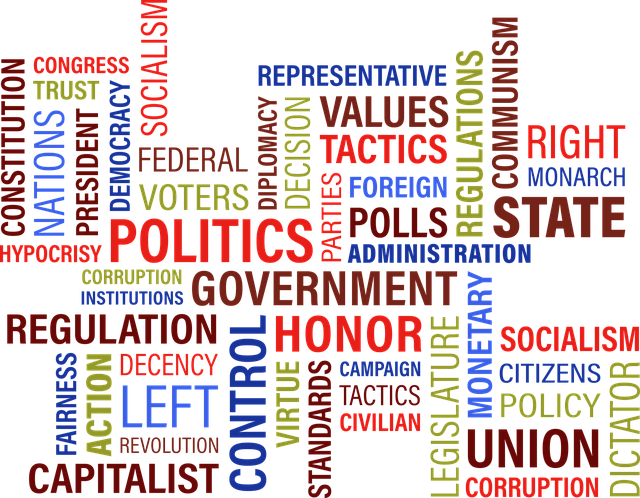 In this blog post, I describe new evidence that thinking about political ideology on a single liberal/left to conservative/right spectrum masks important nuances in the origins of political ideologies and in the way that people apply those ideologies to important judgments, including those of other people (i.e., prejudice).
Even though the death of Trayvon Martin drew much public attention in the last year and a half, the shooting of an unarmed, innocent black male is in no way an isolated case in America. Jonathan Ferrell, a 24-year-old African-American man in Florida, was recently killed by police officers when he was looking for help after crashing his car. Roy Middleton, a 60-year-old Florida man, was crippled after the sheriff’s deputies mistook him for a car thief and shot him 15 times in his own driveway.